Hardwood vs. Luxury Vinyl Plank: Which Is Better for Florida Homes?

Choosing the right flooring in Florida isn’t just about style—it’s about surviving heat, humidity, and moisture. Two of the most popular options today are hardwood and luxury vinyl plank (LVP). While both deliver a beautiful wood-look aesthetic, they perform very differently in Florida’s climate.
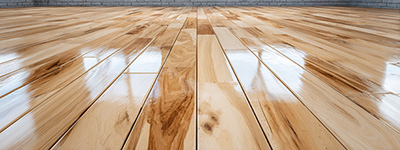
luxury plank

Let’s break down which one truly works best for your home.


Understanding the Key Differences

Hardwood flooring is made from real wood, offering natural beauty, unique grain patterns, and long-term value. It’s a premium choice known for its timeless appeal and ability to be refinished over time.

Luxury vinyl plank (LVP) is a manufactured flooring designed to mimic wood while offering enhanced durability and water resistance. Modern versions are highly realistic and built for everyday wear and tear.


How Florida’s Climate Impacts Your Choice

Florida’s environment is the deciding factor.

  • High humidity (often 70% or more) can affect flooring materials
  • Frequent rain, spills, and moisture exposure are common
  • Coastal air and sand add extra wear and tear

Hardwood is hygroscopic, meaning it absorbs moisture from the air. This can cause warping, swelling, or “cupping” over time if conditions aren’t controlled.

LVP, on the other hand, is completely waterproof and humidity-resistant, making it far more stable in Florida homes.


Pros and Cons of Hardwood Flooring

Pros:

  • Authentic, high-end appearance
  • Can be refinished multiple times
  • Adds strong resale value
  • Can last decades (even generations) with proper care

Cons:

  • Sensitive to moisture and spills
  • Can warp or buckle in humid environments
  • Higher upfront cost
  • Requires more maintenance

Best for: Living rooms, bedrooms, and climate-controlled spaces with low moisture exposure.


Pros and Cons of Luxury Vinyl Plank

Pros:

  • 100% waterproof and humidity-resistant
  • Highly durable and scratch-resistant
  • Lower cost than hardwood
  • Easy to clean and maintain
  • Ideal for high-traffic areas

Cons:

  • Cannot be refinished
  • Shorter lifespan than hardwood
  • Slightly less authentic feel up close

Best for: Kitchens, bathrooms, entryways, and entire homes in humid or coastal areas.


Head-to-Head Comparison

Feature Hardwood Luxury Vinyl Plank
Water Resistance Low Excellent (waterproof)
Humidity Performance Prone to warping Highly stable
Maintenance Moderate to high Low
Lifespan 30–50+ years 10–25 years
Cost Higher upfront More budget-friendly
Resale Value High Moderate

Which Is Better for Florida Homes?

For most Florida homeowners, luxury vinyl plank is the safer and more practical choice. Its waterproof construction and resistance to humidity make it ideal for the region’s climate.

That said, hardwood still has a place. If you value authenticity and long-term investment—and you can control indoor humidity—hardwood can elevate the look and value of your home.


Final Verdict

  • Choose LVP if you want durability, low maintenance, and peace of mind in Florida’s humid conditions.
  • Choose hardwood if aesthetics and resale value matter most—and you’re willing to manage moisture carefully.

For many Florida homes, the best solution is actually a hybrid approach: hardwood in dry living areas and LVP in moisture-prone spaces.

Tampa Bay Flooring provides complete flooring services in Clearwater and the Tampa Bay area.  For more information, go to our web site https://tampabayflooring.net/ or call (727) 831-0469.
How to Pick the Best Carpet for High-Traffic Areas

When you’re choosing carpet for high-traffic areas—like hallways, living rooms, stairs, and family rooms—you need more than something soft and stylish. These busy spaces demand flooring that can stand up to constant foot traffic, spills, pets, and everyday wear. The good news: today’s carpet options offer a great blend of durability, comfort, and design. Here’s what to look for when selecting the best carpet for high-traffic areas in your home.

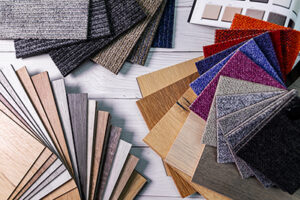
looring and furniture materials - colorful floor carpet and wooden laminate samples

1. Choose the Right Carpet Fiber

The type of fiber used in your carpet has the biggest impact on durability and performance. Here are the best options for high-traffic zones:

  • Nylon – The top choice for durability. It bounces back after compression, resists wear, and holds its shape better than most fibers.
  • Triexta (SmartStrand) – Excellent stain resistance and great for homes with kids or pets. It’s as durable as nylon but naturally more stain-resistant.
  • Polyester – Softer and more budget-friendly, but not as durable. It can work in high-traffic areas if you choose a dense, high-quality style.

2. Look for a Low Pile or Loop Design

Carpet style matters just as much as fiber. In high-traffic areas, consider:

  • Berber / Loop Carpet – Tight loops make it durable and resistant to crushing. It hides dirt well too.
  • Low-Pile Carpet – Short fibers are less likely to mat down and easier to keep clean.
  • Patterned Carpet – Combines durability with style and does a great job disguising wear.

Avoid plush, high-pile carpets—they flatten easily and show footprints.

3. Check the Carpet Density

Density refers to how closely the carpet fibers are packed together. Higher density = better durability.

A good test: Press your fingers into the carpet. If you can easily see the backing, it’s not dense enough. Dense carpets perform far better in high-traffic spaces.

4. Consider Stain and Soil Protection

High-traffic areas see the most spills and dirt, so choose a carpet with built-in stain and soil resistance. Nylon carpets often require a treatment, while Triexta fibers have stain protection built in.

Also look for carpets labeled as “solution-dyed,” which means the color runs through the entire fiber—helping resist fading and stains.

5. Pick the Right Padding

Carpet padding isn’t only about comfort. The right pad extends the life of your carpet.

For high-traffic areas, choose:

  • High-density padding (at least 8 pounds)
  • Memory foam pads for added comfort and durability
  • Moisture-resistant pads if you have pets or kids

A quality pad supports the carpet, prevents premature wear, and helps it spring back after foot traffic.

6. Choose Colors and Patterns That Hide Wear

Light-colored carpets can show dirt, while very dark carpets show lint and dust. Mid-tones, heathers, flecks, and subtle patterns are best for disguising everyday traffic.

Patterned carpets also create visual interest while naturally camouflaging wear in heavily used areas.

7. Don’t Overlook Professional Installation

Even the highest-quality carpet won’t perform well if it’s installed incorrectly. Professional installation ensures:

  • Proper stretching to prevent wrinkles
  • Secure seams in high-traffic spots
  • Correct padding placement
  • A long-lasting finish

Make High-Traffic Carpet Work for Your Home

The best carpet for busy areas combines performance, durability, and style. By choosing the right fiber, pile type, density, padding, and color, you’ll enjoy a carpet that looks great and holds up for years.

Tampa Bay Flooring provides complete flooring services in Clearwater and the Tampa Bay area.  For more information, go to our web site https://tampabayflooring.net/ or call (727) 831-0469.